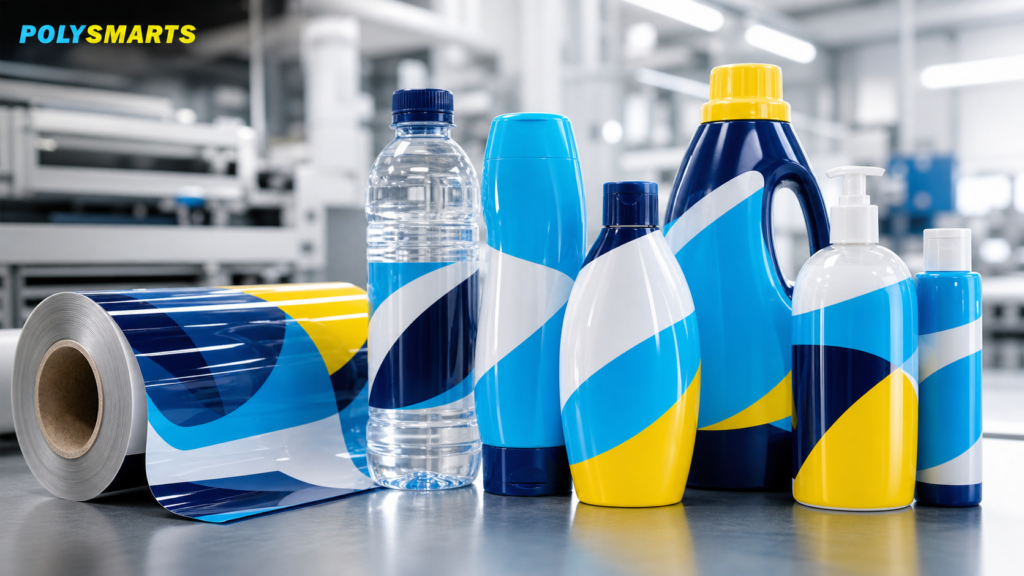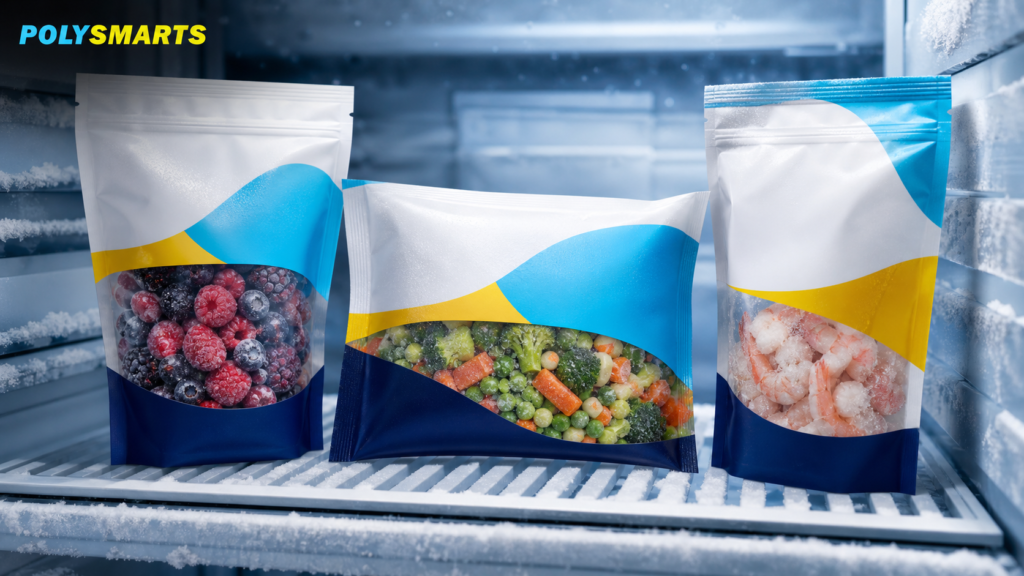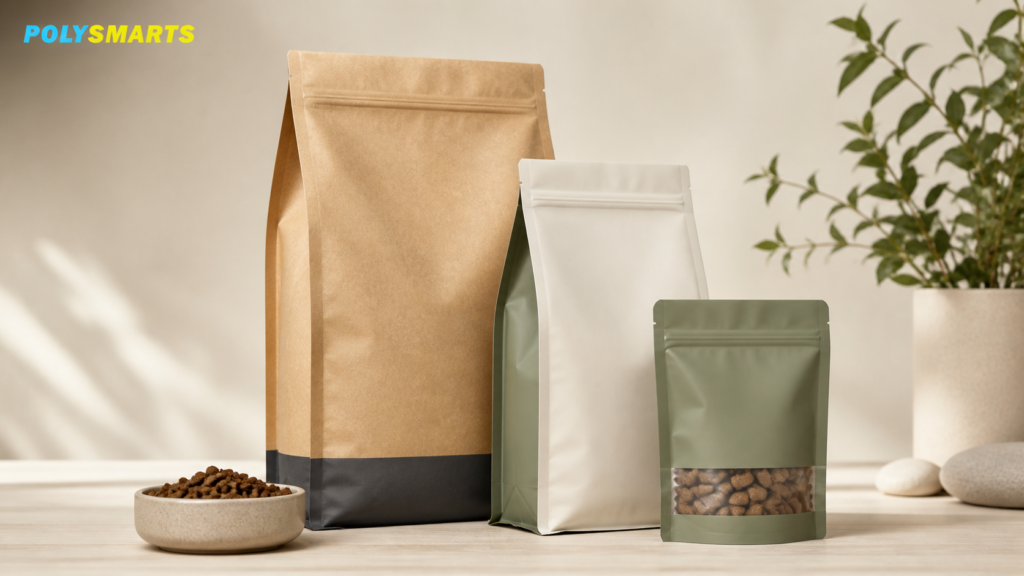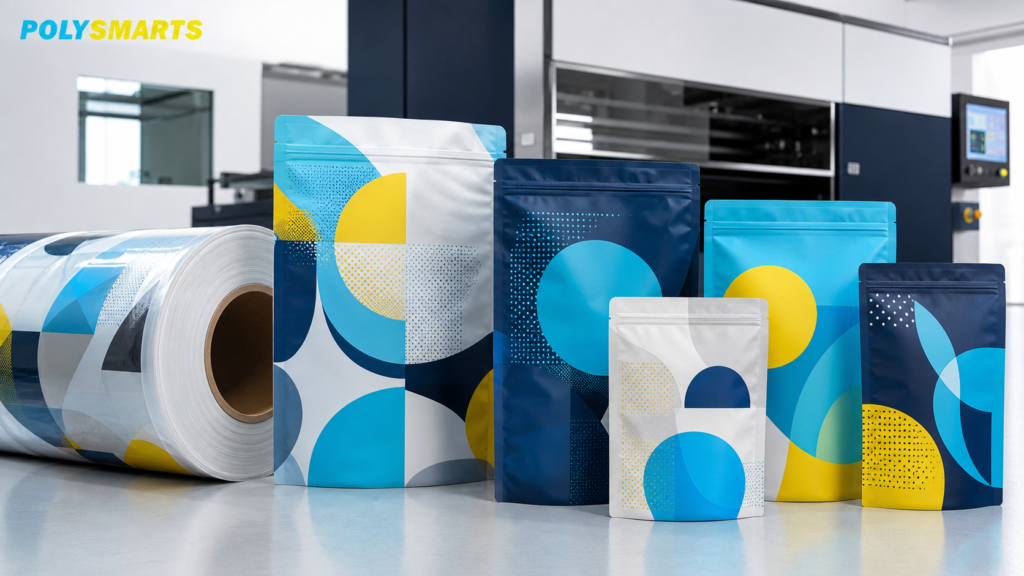
Digital print packaging sends artwork from a digital file to a press without manufacturing a separate printing plate or gravure cylinder for each design. For brands, that can make short runs, prototypes, multiple SKUs, seasonal versions, and frequently updated artwork more practical. It does not eliminate material qualification, color management, lamination, pouch converting, quality control, or regulatory review.
Quick answer: Digital printing is usually worth evaluating when a packaging project has a relatively short run, several artwork versions, a launch deadline, or a risk of obsolete inventory. Flexographic and gravure printing may become more economical for stable, repeat, higher-volume programs. The right decision depends on the complete converted-package cost and performance—not the press alone.
Digital print packaging is packaging whose graphics are produced directly from electronic artwork on a digital press. Common production technologies include electrophotography and inkjet. Depending on the press and converting line, digital printing can be used for labels, folding cartons, corrugated packaging, and flexible films that become bags or pouches.
“Digital” describes the printing method, not the complete package. A finished flexible pouch may still require substrate treatment or primer, white ink, color inks, protective coating or lamination, adhesive curing, slitting, pouch forming, zipper insertion, sealing, and inspection. These downstream steps often determine the real schedule and whether the package performs as intended.
Changing a design file can be faster than making new analog print tooling, but a revision still requires preflight, approval, scheduling, and sometimes a new proof. Finished packaging should not be described as “instant” simply because the press is digital.
Digital presses remove the need to manufacture a printing plate or cylinder for every artwork. That can reduce setup cost and make smaller production quantities more accessible, although the break-even point varies by press, material, package size, number of versions, finishing, and repeat volume.
Brands can group compatible designs into a program for flavors, regions, languages, retailers, seasonal editions, or test markets. Each version still needs accurate quantities, approved artwork, and traceable file control.
Production-like samples can help teams evaluate shelf appearance, consumer response, retailer presentations, and filling trials before committing to a larger analog run. Confirm whether a sample uses the same material, print process, lamination, and converting method as production before treating it as a performance qualification.
Ordering closer to demand may reduce the number of preprinted packages stranded by an artwork change, forecast error, or discontinued SKU. This is a planning benefit, not an automatic waste guarantee: order cadence, freight, spoilage, setup loss, and converting yield still matter.
Some digital workflows can vary text, graphics, numbers, or codes from package to package. Use cases include unique identifiers, localized content, promotional versions, and traceability. Capability must be confirmed for the exact press, software, code-verification system, package geometry, and production speed. A printed QR code is not useful unless its destination, contrast, size, quiet zone, and scan performance are controlled.
Phone users can swipe horizontally to view the full table.
| Decision factor | Digital | Flexographic | Gravure |
|---|---|---|---|
| Image carrier | No dedicated plate or cylinder per artwork | Photopolymer plates | Engraved cylinders |
| Typical fit | Short runs, prototypes, many versions, changing artwork | Repeat medium-to-long runs across many flexible substrates | Long, stable runs where cylinder investment is justified |
| Artwork changes | File-based, followed by preflight and approval | May require new plates | May require new or reworked cylinders |
| Versioning | Strong capability; variable-data options may be available | Possible, with plates and job-change implications | Possible, with cylinders and job-change implications |
| Color and effects | Depends on press gamut, ink set, white ink, substrate, and finishing | Strong process and spot-color flexibility when properly controlled | Consistent high-quality reproduction for suitable long runs |
| Best comparison | Compare total converted cost, approved quality, material options, waste, inventory exposure, schedule, and forecast—not print price alone. | ||
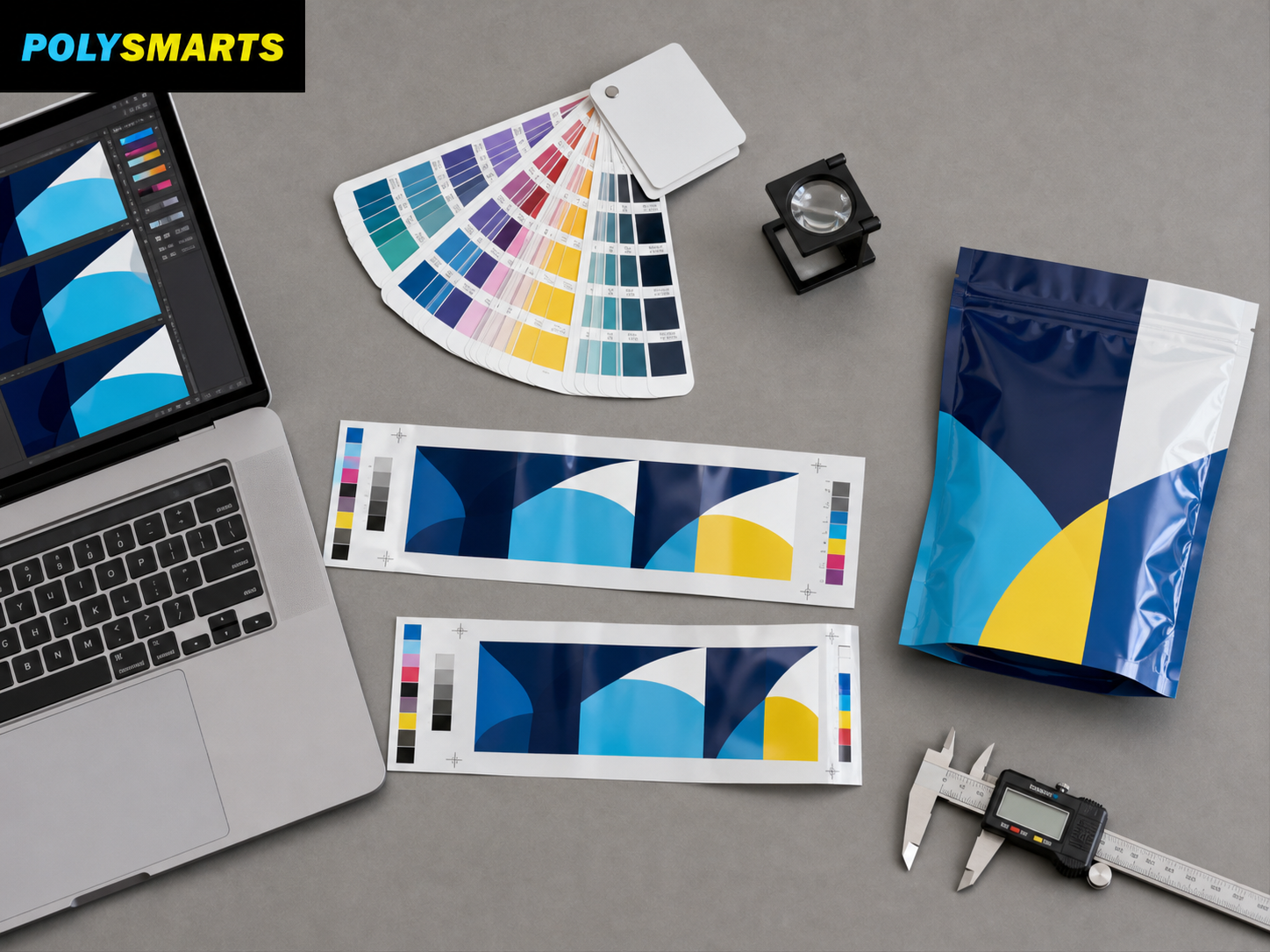
A smaller initial order can reduce the inventory commitment while demand is uncertain. Buyers should still validate the package on the real filling line and through the expected distribution environment.
Compatible pouch sizes and structures with multiple flavors or formulations can be good candidates for versioned production. Food-contact documentation and claims must match each intended application.
Shorter lifecycle designs can benefit from file-based versioning. Build a rigorous approval matrix so the right quantities, languages, barcodes, and retailer details reach the right markets.
Digital print can support concept evaluation without ordering analog tooling first. Distinguish a visual mockup, a machine trial sample, and a fully production-representative qualification sample; they answer different questions.
Provide enough information for the supplier to qualify the entire package:
For a defined small-run format, explore custom digital print stand-up pouches online. At the time of review, the page lists 100 to 8,000 pieces, two pouch sizes, clear/silver/white material selections, optional windows, hang holes, tear notches and zippers, plus matte or gloss finish selections. Check the live configuration before ordering, and request a custom quotation for other dimensions, quantities, structures, or performance requirements.
Yes, when the project benefits from short runs, multiple versions, prototyping, or frequent artwork changes. It may not be the lowest-cost route for a stable, high-volume repeat program. Compare the total converted package and inventory plan.
Digital printing images directly from electronic files without a dedicated plate for each design. Flexographic printing transfers ink from raised photopolymer plates. Digital is often attractive for short or versioned work; flexographic printing is widely used for repeat medium- and long-run flexible packaging.
Yes, converters set minimums based on the press, material width, package size, converting setup, and commercial workflow. “No plates” does not mean a one-piece production minimum. The linked Polysmarts online pouch page currently lists a minimum of 100 pieces for its configured options.
Some digital systems support variable text, images, numbers, or codes, but not every supplier workflow does. Confirm database handling, code verification, inspection, data security, spoilage replacement, and whether variation is available on the selected package.
Not every brand color is inside every digital press’s printable gamut. The result also changes with substrate color, white ink, surface finish, lamination, and lighting. Agree on a measurable target and tolerance using a production-representative proof.
The printing method alone does not establish food-contact suitability. The complete construction and intended use must be assessed, including ink location, possible set-off or migration, functional barriers, adhesives, coatings, curing, and filling conditions. Request documentation relevant to the exact package and market.
It can reduce analog tooling and may help brands avoid obsolete printed inventory, but it is not automatically environmentally preferable. A credible comparison considers material structure, press and converting waste, energy, order frequency, freight, product protection, and the real end-of-life pathway.
Lead time varies by artwork readiness, proof approval, material availability, press schedule, lamination or coating, curing, pouch conversion, quality checks, and shipping. Ask for a dated schedule covering all stages rather than a print-speed estimate.
Digital print packaging is most valuable when flexibility has measurable business value: fewer units per design, more SKUs, controlled prototypes, faster artwork iteration, or lower exposure to obsolete inventory. It is not a substitute for packaging engineering. Define the product, structure, performance, artwork, approval method, converting steps, and compliance needs first; then compare digital, flexographic, and gravure options using total cost and risk.
Ready to evaluate a short-run stand-up pouch? Review Polysmarts’ online custom stand-up pouch options, or prepare the application details above for a custom packaging discussion.
 English English
  Français
 Español
 Deutsch
 Português
 日本語
日本語
 العربية
 한국어
한국어
 简体中文
简体中文