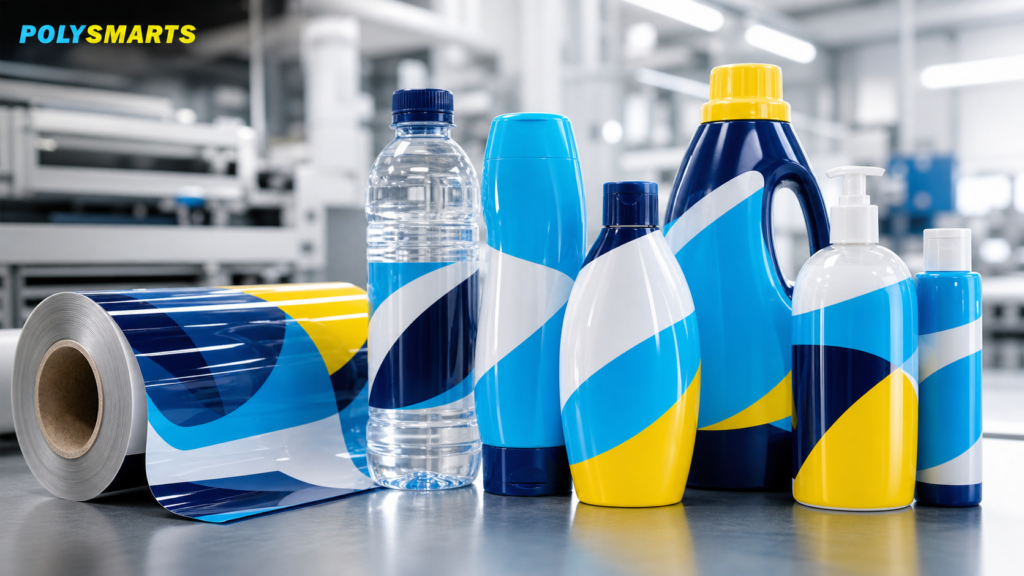
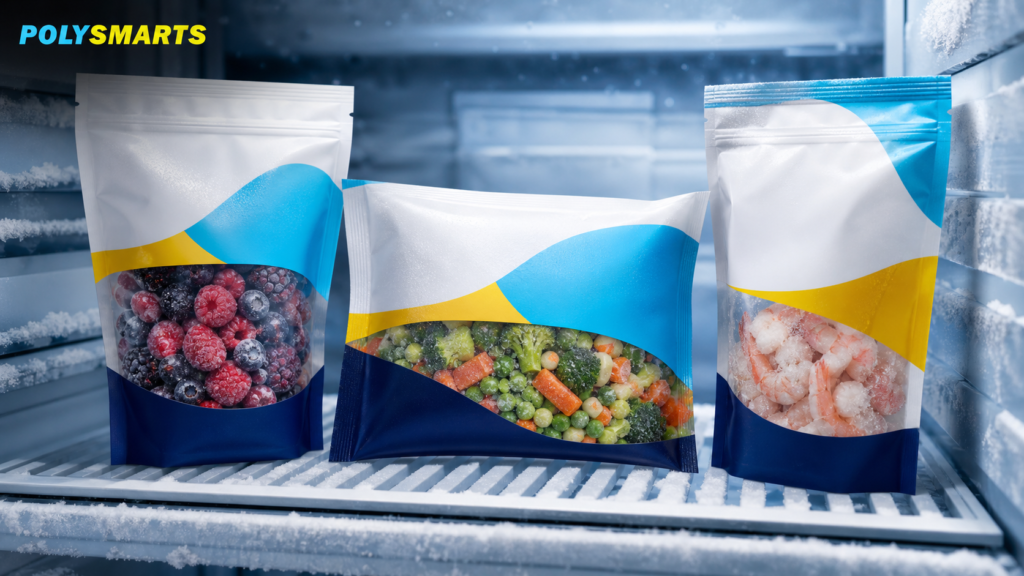
Edible packaging is transforming the way we think about waste. It offers a sustainable solution to the growing problem of plastic pollution.
Made from natural materials, edible packaging can be safely consumed or composted. This innovative approach reduces the environmental impact of traditional packaging.

The shift to edible packaging supports a circular economy. It turns waste into a resource, aligning with global sustainability goals.
Businesses adopting edible packaging can enhance their brand image. They appeal to eco-conscious consumers who value sustainability.

Edible packaging is versatile and can be used across industries. From food and beverages to cosmetics, its applications are vast.

by Richard R (https://unsplash.com/@sepro)
This packaging solution also reduces reliance on fossil fuels. It requires less energy and water to produce compared to plastic.

by George Bakos (https://unsplash.com/@georgebakos)
As the market for edible packaging grows, so does innovation. Companies are exploring new materials and designs to meet consumer demand.

by Joel Lee (https://unsplash.com/@joelnbora)
Edible packaging is packaging you can eat. It serves as a biodegradable alternative to traditional materials like plastic.
This packaging is made from natural ingredients, ensuring it is safe for consumption. It minimizes the environmental impact by reducing waste.
The materials used in edible packaging include seaweed, rice, and potato starch. These are plant-based and break down quickly in nature.

by KARLY VANCUYLENBERG (https://unsplash.com/@karlzmate)
Here is a breakdown of common materials:
Innovative technology has made edible packaging practical and effective. Companies can customize it to enhance product appeal.
The benefits of edible packaging extend beyond environmental friendliness. It often enriches food products with nutrients, adding more value.

by Bayu Syaits (https://unsplash.com/@bayusyaits)
Edible packaging offers an exciting step forward in the packaging industry. By combining functionality with sustainability, it meets modern needs.
This form of packaging is not only eco-friendly but also adds a unique selling point to products. It empowers consumers to make environmentally conscious choices.
The creation of edible packaging involves a series of innovative processes. It requires converting raw natural resources into packaging films or coatings. By harnessing biotechnology, manufacturers create flexible, resilient materials.
Biopolymers serve as the backbone of edible packaging. Derived from plant sources, these polymers offer the necessary strength to hold contents securely. Advanced techniques merge these materials with food-safe additives for stability.
This packaging is designed to dissolve or biodegrade after use. Consumers enjoy the convenience of not generating waste. Businesses benefit from reduced waste management costs and improved sustainability credentials.

by Shah (https://unsplash.com/@asoshiation)
Here are the key steps in creating edible packaging:
Understanding how edible packaging works shows its potential in making industries more sustainable. This technology helps align packaging practices with eco-friendly goals. It illustrates progress in addressing global environmental concerns.
Edible packaging utilizes various natural and safe materials. These materials are not only biodegradable but also suitable for consumption. This diversity allows for flexibility and innovation in packaging design.
One popular choice is seaweed. Seaweed forms strong, flexible films ideal for packaging. It is abundant, renewable, and contains natural polymers that hold up well to moisture.
Other materials include potato starch and rice. These provide structure and can be molded into numerous shapes. Used for both films and coatings, they offer a versatile option for manufacturers.

by Yanina Parda (https://unsplash.com/@kobra21)
Here is a list of common materials:
These materials demonstrate the potential of edible packaging to replace plastics. By leveraging natural resources, manufacturers can reduce reliance on harmful petrochemical products. The focus on using these materials aligns with a sustainable approach to packaging.
Edible packaging offers significant environmental benefits. Traditional plastics are a major source of pollution. Edible alternatives help mitigate this problem by being biodegradable and compostable.
Plastic waste harms our ecosystems, taking centuries to decompose. In contrast, edible packaging breaks down swiftly. This quick degradation reduces landfill burden and lowers pollution levels.

by Toa Heftiba (https://unsplash.com/@heftiba)
Reducing waste is crucial for sustainability. Edible packaging not only minimizes waste but also supports the circular economy. Materials are either consumed or returned safely to the earth.
The carbon footprint from packaging production is also decreased. Manufacturing traditional packaging relies heavily on fossil fuels. In contrast, edible packaging demands less energy and resources.
A compelling aspect of edible packaging is its role in pollution prevention. It helps protect oceans, rivers, and wildlife. Materials like seaweed are sourced sustainably, reducing environmental harm at the production stage.
Key environmental advantages include:
These attributes make edible packaging a compelling choice for responsible businesses. As awareness grows, its adoption can lead to profound environmental improvements. By addressing waste and pollution, edible packaging paves the way for a cleaner, sustainable future.
Choosing between edible and traditional packaging involves considering several key differences. Traditional packaging, primarily made from plastic, is durable but environmentally damaging. Edible packaging offers a more sustainable alternative with distinct advantages.

by Nia Sihle (https://unsplash.com/@niasouth)
Plastic packaging is non-biodegradable and accumulates in landfills, oceans, and communities. In contrast, edible packaging is designed to naturally decompose or be safely consumed. This means less long-term waste and environmental impact.
Traditional packaging depends heavily on fossil fuels for production. This contributes significantly to carbon emissions and climate change. Edible packaging, on the other hand, often utilizes renewable resources and requires less energy, reducing its carbon footprint.
Here are key contrasts between the two:
For businesses looking to appeal to eco-conscious consumers, edible packaging presents a promising solution. It not only aligns with sustainability goals but also enhances brand image by demonstrating environmental responsibility. Adopting this innovative packaging can lead to both ecological and financial benefits in the long term.
Switching to edible packaging offers numerous advantages for businesses and brands. It can significantly enhance a company’s image as environmentally responsible and forward-thinking. In today’s market, consumers are increasingly choosing brands that demonstrate a commitment to sustainability.

by Agenlaku Indonesia (https://unsplash.com/@agenlaku)
Another notable benefit is the ability to differentiate products in a competitive market. Edible packaging provides unique selling points, which can attract eco-conscious consumers seeking innovative and ethical choices. It helps businesses stand out with a message that resonates with today’s values.
Additionally, adopting edible packaging can reduce the overall cost associated with waste management. Since this packaging is biodegradable or consumable, it lessens the burden and expense of disposal and recycling programs. Companies can thus allocate resources more effectively.
Key benefits for businesses include:
By integrating edible packaging, businesses not only contribute positively to the environment but also gain competitive advantages. These benefits are crucial for long-term success and sustainability in the rapidly evolving marketplace.
Edible packaging offers consumers a unique and engaging experience. It aligns with the growing interest in sustainability and environmental awareness among shoppers. By choosing products with biodegradable or edible packaging, consumers feel they’re contributing positively to reducing waste.

by THE ORGANIC CRAVE Ⓡ (https://unsplash.com/@theorganiccrave)
Moreover, edible packaging can enhance the enjoyment of products. Depending on the materials used, it can be enriched with flavors, textures, or even nutrients, adding an extra dimension to the eating experience. This innovation can transform packaging from a simple wrap to an interactive element of consumption.
Key consumer benefits include:
Consumers also appreciate the convenience of not having to dispose of extra packaging. Edible solutions simplify consumption and eliminate the need for additional waste management. This integration of convenience and responsibility is a significant draw for modern consumers who seek both simplicity and eco-friendliness.
Despite its benefits, edible packaging faces several hurdles that limit its widespread adoption. One major challenge is the durability compared to traditional packaging. It may not offer the same level of protection during transportation and storage, which can be a concern for manufacturers.

by Andy Sartori (https://unsplash.com/@andysartori)
There are also issues related to shelf life and preservation. Not all edible materials have the same longevity as plastic, which could lead to quicker spoilage of food products. Therefore, finding the right balance between utility and sustainability is crucial for this innovation to thrive.
Manufacturers also need to tackle the following challenges:
Lastly, market penetration can be difficult as consumers and producers alike need to become more accustomed to these options. Overcoming skepticism about taste, safety, and efficacy is necessary for broader acceptance of this promising packaging solution.
The world of edible packaging is rapidly evolving with new ideas and technologies emerging. Companies are investing in research and development to create products that are not only environmentally friendly but also economically viable. Recent innovations include the use of nanotechnology to enhance the strength and barrier properties of edible films.

by Jonathan Borba (https://unsplash.com/@jonathanborba)
Seaweed and algae-based packaging continue to gain attention due to their abundance and nutritional benefits. These materials offer promising solutions to create robust and versatile packaging. Additionally, scientists are exploring the potential of incorporating probiotics and vitamins into edible packaging, which could improve the health benefits for consumers.
Future trends to watch for include:
These innovations not only improve the functionality of edible packaging but also enhance the consumer experience. As these trends develop, the market for edible packaging is expected to expand, driving a significant shift towards more sustainable packaging solutions globally.
Integrating edible packaging into your business requires careful planning and strategy. Begin by assessing your current packaging needs and identifying areas where edible options can be most beneficial. Collaborate with suppliers who offer innovative, sustainable packaging solutions and align with your environmental goals.

by Sticker Mule (https://unsplash.com/@stickermule)
Training your staff is crucial for a smooth transition to edible packaging. Ensure that your team understands the benefits and functionality of these new materials. Additionally, update your packaging processes to accommodate any changes required for handling and storage of edible materials.
Consider the following steps to successfully integrate edible packaging:
Implementing edible packaging not only enhances your brand image but also attracts eco-conscious customers. By embracing this change, businesses can contribute significantly to reducing environmental impact, paving the way for a more sustainable future.
Embracing edible packaging marks a critical step toward sustainability. It offers a viable solution to curb plastic waste and foster a cleaner environment. By adopting biodegradable and renewable materials, businesses contribute significantly to reducing their ecological footprint.
The transition to sustainable packaging aligns with global environmental goals and resonates with consumers who prioritize eco-friendly practices. As awareness and demand grow, incorporating edible packaging becomes not just a choice but a responsibility. This shift represents not only an opportunity to innovate but also a powerful way to support a greener planet. Together, companies and consumers can drive the change toward a sustainable future through thoughtful packaging decisions.


 English English
  Français
 Español
 Deutsch
 Português
 日本語
日本語
 العربية
 한국어
한국어
 简体中文
简体中文