1. بيت
  2. »
  3. Product Knowledage
  4. »
  5. Compostable Packaging: Boosting Business Sustainability

Guide to Flexible Packaging Coffee Structure Barrier Films

Table of Contents

flexible packaging coffee structure barrier films

How Do Flexible Packaging Coffee Structure Barrier Films Work?

The Bottom Line (Key Takeaway): Utilizing high-quality flexible packaging coffee structure barrier films is the ultimate engineering solution for preserving the delicate flavor profile of roasted coffee. Because coffee beans rapidly degrade when exposed to oxygen, moisture, and UV light, manufacturers rely on these advanced, multi-layered films to create an impenetrable shield. This not only extends the product’s shelf life but also significantly reduces shipping weight and environmental impact compared to rigid containers.

The Anatomy of Coffee Barrier Packaging

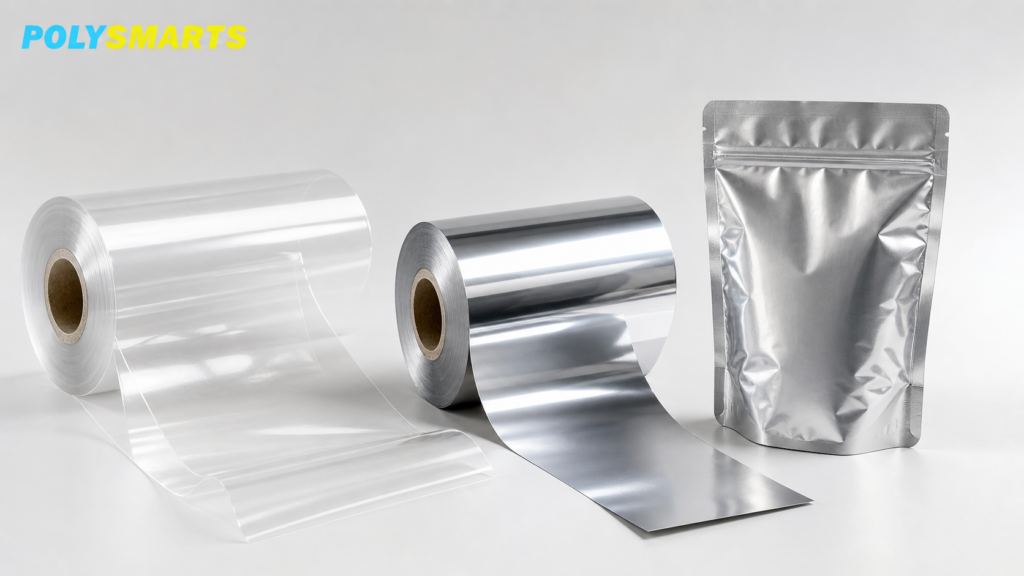
To understand why these films are so effective, you must look at their composite structure. Different materials are laminated together, each serving a highly specific protective purpose.

Here is a technical breakdown of a standard high-performance coffee packaging structure:

Structural LayerTypical Material UsedPrimary Engineering Function
1. Outer Layer (Print/Protection)Polyester (PET) or Kraft PaperProvides high mechanical strength, puncture resistance, heat resistance during sealing, and an excellent surface for vibrant brand printing.
2. Middle Layer (The Core Barrier)Aluminum Foil (AL) or Metalized PETActs as the absolute shield against oxygen transmission and UV light degradation. Crucial for preventing coffee oils from turning rancid.
3. Inner Layer (Sealant & Moisture)Polyethylene (PE) or LLDPEProvides excellent moisture resistance to keep the coffee crisp. It also melts easily to form a secure, airtight heat seal during bag manufacturing.

4 Core Business Benefits of Upgrading Your Coffee Packaging

Switching to optimized flexible barrier films provides immense value for both producers and end-consumers:

  1. Extended Shelf Life & Quality Retention: By aggressively blocking oxygen and locking in the coffee’s natural oils and aromas, these films ensure the coffee tastes as fresh months later as it did on roasting day.

  2. Dramatic Cost Reduction: Flexible materials are exponentially lighter and take up significantly less warehouse space than traditional glass jars or metal tins, slashing logistics and transportation costs.

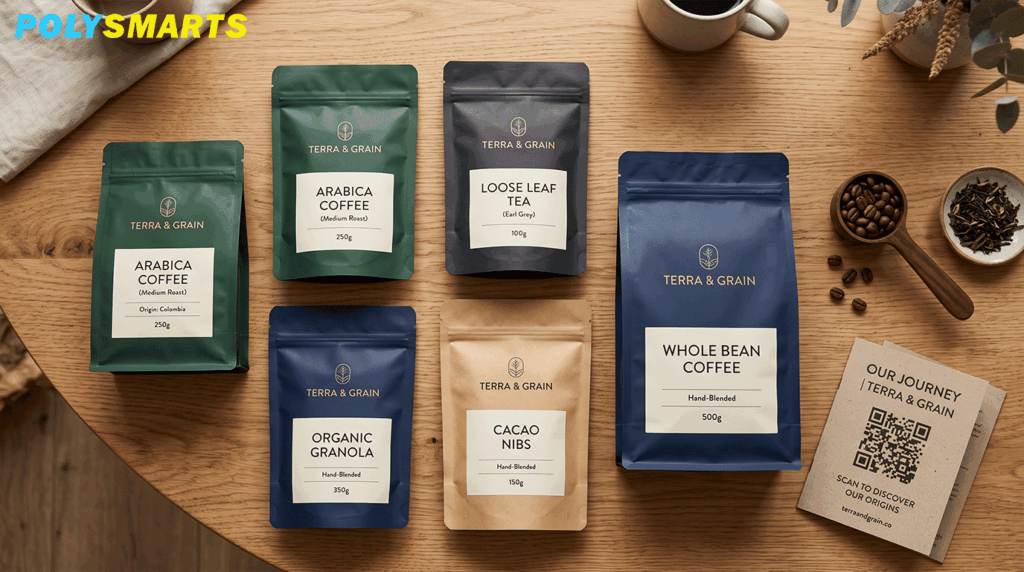
  3. Enhanced Brand Differentiation: The polyester outer layer supports high-definition, vibrant printing. Brands can easily customize unique shapes, tear notches, and resealable zippers to elevate the consumer experience.

  4. Transition to Sustainability: Modern innovations have introduced eco-friendly barrier films. By utilizing recyclable mono-materials or biodegradable compounds, brands can drastically minimize their environmental footprint and appeal to green-conscious consumers.

Q&A: Quick Packaging Selection Guide

Q: Does every coffee brand need an aluminum foil middle layer?

A: Not necessarily. While aluminum foil offers the highest barrier against oxygen and light, coffee with a fast turnover rate can often utilize metalized films (VMPET) or high-barrier clear films (like EVOH), which are more cost-effective and sometimes easier to recycle.

Q: How do barrier films handle the natural degassing of freshly roasted coffee?

A: Flexible coffee bags are typically engineered with a one-way degassing valve. This allows the CO2 emitted by freshly roasted beans to escape without allowing external oxygen to penetrate the barrier film.

Q: Are these multi-layer barrier films truly sustainable?

A: Historically, mixing plastics with aluminum made recycling difficult. However, the future trend in packaging is heavily focused on developing high-barrier mono-material structures (using only one type of plastic) and fully biodegradable films, making eco-friendly coffee packaging a mainstream reality.

Request Quick Quotation