1. Hogar
  2. »
  3. Product Knowledage
  4. »
  5. What is Aseptic Packaging? The Complete Guide for 2025

What is Aseptic Packaging? The Complete Guide for 2025

Table of Contents

Aseptic Packaging

In today’s fast-paced food and pharmaceutical industries, aseptic packaging has emerged as a revolutionary technology that extends product shelf life, maintains quality, and reduces costs. But what exactly is aseptic packaging, and why has it become the preferred choice for manufacturers worldwide?

This comprehensive guide explores everything you need to know about aseptic packaging – from the sterilization process and materials used to the benefits and applications across various industries. Whether you’re a manufacturer, distributor, or simply curious about modern packaging technology, this article will provide valuable insights into aseptic packaging solutions.

Understanding Aseptic Packaging: Definition and Overview

Aseptic packaging is a specialized manufacturing process that involves sterilizing food, beverages, pharmaceuticals, or other products separately from their packaging containers. Once both the product and package are sterilized independently, the product is filled into the container within a completely sterile environment, ensuring no contamination occurs.

The term “aseptic” literally means “free from contamination caused by harmful bacteria, viruses, or other microorganisms.” This advanced packaging technology uses ultra-high temperature (UHT) processing to eliminate microorganisms while preserving the nutritional value, taste, and quality of the contents.

How Aseptic Packaging Differs from Traditional Packaging

Unlike traditional packaging methods that sterilize the product and container together (such as canning or retort processing), aseptic packaging sterilizes them separately. This approach offers several advantages:

  • Better Quality Preservation: Lower heat exposure time maintains taste, texture, and nutrients
  • Extended Shelf Life: Products can remain shelf-stable for 6-12 months without refrigeration
  • No Preservatives Needed: Sterilization eliminates the need for chemical preservatives
  • Energy Efficiency: Requires less energy than traditional heat processing methods
  • Cost Savings: Reduces refrigeration and transportation costs significantly

The Aseptic Packaging Process: Step-by-Step

Understanding how aseptic packaging works helps manufacturers appreciate its benefits and applications. The process involves four critical stages:

Step 1: Product Sterilization

The first step in aseptic packaging involves sterilizing the product using Ultra-High Temperature (UHT) processing. The product is heated to temperatures between 135°C and 150°C (275°F to 302°F) for just 2-5 seconds. This brief but intense heat exposure:

  • Destroys all harmful microorganisms, bacteria, and spores
  • Minimizes nutrient loss compared to conventional sterilization
  • Preserves the natural flavor, color, and texture of the product
  • Maintains the nutritional profile of the contents

After sterilization, the product is rapidly cooled to ambient temperature before filling.

Step 2: Package Sterilization

Simultaneously, the packaging containers undergo their own sterilization process. Common sterilization methods for aseptic packaging include:

  • Hydrogen Peroxide (Hâ‚‚Oâ‚‚) Treatment: The most common method, using vaporized hydrogen peroxide
  • Steam Sterilization: High-temperature steam kills microorganisms
  • UV Light Exposure: Ultraviolet radiation eliminates bacteria
  • Chemical Sterilants: FDA-approved chemicals ensure complete sterilization

The packaging materials are thoroughly dried after sterilization to remove any residual sterilizing agents.

Step 3: Aseptic Filling Process

Once both product and packaging are sterilized, the filling occurs in a completely sterile environment. This controlled atmosphere prevents any contamination during the critical filling stage. Modern aseptic packaging facilities use:

  • Positive pressure clean rooms
  • HEPA-filtered air systems
  • Automated filling equipment
  • Continuous monitoring systems

The sterile product flows directly into the sterile container without exposure to outside contaminants.

Step 4: Sealing in Sterile Environment

The final step involves hermetically sealing the package while still in the sterile environment. This creates an airtight barrier that:

  • Prevents oxygen and light penetration
  • Blocks moisture entry or exit
  • Maintains the sterile condition of the contents
  • Ensures long-term product stability

The sealed aseptic packaging is now ready for distribution and can be stored at ambient temperatures.

Aseptic Packaging Materials: What Makes It Work?

The effectiveness of aseptic packaging relies heavily on the multi-layer materials used to construct the containers. These specialized materials provide the necessary barriers to protect contents from external contamination and environmental factors.

Polyethylene Layers in Aseptic Packaging

Polyethylene (PE) forms the innermost and outermost layers of most aseptic packaging structures:

Inner Polyethylene Layer:

  • Direct contact with food or pharmaceutical products
  • Food-grade, FDA-approved material
  • Provides moisture barrier
  • Creates heat-sealable surface
  • Prevents leakage

Outer Polyethylene Layer:

  • Protects against external moisture
  • Provides durability and puncture resistance
  • Enables printing and branding
  • Offers smooth, attractive finish

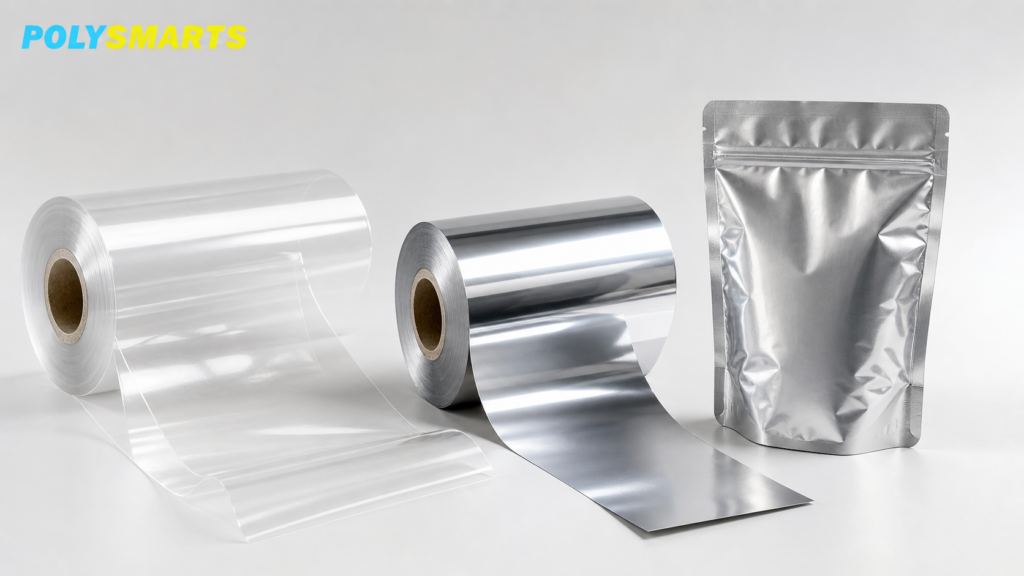
Aluminum Foil Barrier Technology

The aluminum foil layer is the critical component that makes aseptic packaging so effective:

  • Complete Light Barrier: Blocks 100% of UV and visible light that can degrade products
  • Oxygen Barrier: Prevents oxygen penetration that causes oxidation and spoilage
  • Aroma Barrier: Keeps flavors and aromas sealed inside
  • Extended Shelf Life: Enables 6-12 months of ambient storage
  • Thin Yet Effective: Typically only 6-7 microns thick

Paperboard and Multi-Layer Structures

Aseptic packaging often incorporates paperboard for structural integrity:

  • Rigidity: Provides shape and stacking strength
  • Printability: Excellent surface for high-quality graphics
  • Sustainability: Renewable resource from managed forests
  • Insulation: Protects contents from temperature fluctuations

A typical aseptic packaging structure consists of 6-7 layers:

  1. Outer polyethylene (protection)
  2. Paperboard (structure)
  3. Polyethylene (adhesion)
  4. Aluminum foil (barrier)
  5. Polyethylene (adhesion)
  6. Polyethylene (food contact)

Key Benefits of Aseptic Packaging

The growing adoption of aseptic packaging across multiple industries stems from its numerous advantages over traditional packaging methods.

Extended Shelf Life Without Refrigeration

One of the most significant benefits of aseptic packaging is the dramatic extension of product shelf life:

  • 6-12 Months Ambient Storage: Products remain stable at room temperature
  • No Cold Chain Required: Eliminates refrigeration during distribution and retail
  • Reduced Waste: Longer shelf life means less spoilage and disposal
  • Global Distribution: Enables shipping to remote locations without refrigeration infrastructure
  • Consumer Convenience: Customers can store products in pantries rather than refrigerators

This extended shelf life is particularly valuable for:

  • Dairy products (milk, cream, yogurt drinks)
  • Fruit juices and beverages
  • Liquid foods (soups, sauces, tomato products)
  • Nutritional drinks and supplements
  • Pharmaceutical liquids

Reduced Distribution and Storage Costs

Aseptic packaging delivers substantial cost savings throughout the supply chain:

Transportation Savings:

  • No refrigerated trucks needed
  • Lighter weight reduces fuel costs
  • Compact shapes maximize shipping efficiency
  • Lower insurance costs without refrigeration requirements

Storage Savings:

  • No cold storage facilities required
  • Reduced energy consumption
  • Lower facility costs
  • Simplified inventory management

Retail Savings:

  • No refrigerated display cases needed
  • More flexible merchandising options
  • Reduced energy costs for retailers
  • Less product loss from temperature fluctuations

Industry studies show that aseptic packaging can reduce total distribution costs by 20-40% compared to refrigerated products.

No Preservatives Required

The sterilization process in aseptic packaging eliminates the need for chemical preservatives:

  • Clean Label Appeal: Consumers prefer products without artificial preservatives
  • Natural Ingredients: Manufacturers can use real, whole ingredients
  • Allergen Reduction: Fewer additives means lower allergen risk
  • Regulatory Compliance: Easier to meet clean label regulations
  • Premium Positioning: Natural formulations support premium pricing

This benefit aligns perfectly with current consumer trends favoring natural, minimally processed foods with recognizable ingredients.

Superior Product Quality Preservation

Aseptic packaging maintains product quality better than traditional methods:

Nutritional Value:

  • Vitamins and minerals remain intact
  • Brief UHT processing minimizes nutrient degradation
  • Studies show comparable nutrition to fresh products

Taste and Flavor:

  • Natural flavors preserved through minimal heat exposure
  • No “cooked” or “canned” taste
  • Fresh taste maintained throughout shelf life

Texture and Appearance:

  • Original texture preserved
  • Natural colors maintained
  • No separation or degradation over time

Aroma:

  • Aluminum barrier locks in volatile aromatic compounds
  • Products smell fresh when opened months later

Environmental Sustainability Advantages

Modern aseptic packaging offers several environmental benefits:

Renewable Resources:

  • Paperboard from sustainably managed forests
  • FSC and PEFC certified materials available
  • Approximately 70% renewable content

Reduced Plastic Use:

  • 60% less plastic than comparable rigid containers
  • Thin aluminum layer replaces thick plastic barriers
  • Lightweight design reduces material consumption

Energy Efficiency:

  • No refrigeration energy required
  • Lower transportation energy due to light weight
  • Efficient manufacturing process

Recyclability:

  • Specialized recycling programs available
  • Some facilities can separate and recycle components
  • Ongoing development of improved recycling technologies

Carbon Footprint:

  • Studies show 30-50% lower carbon footprint vs. refrigerated alternatives
  • Reduced food waste contributes to sustainability
  • Efficient logistics minimize emissions

Industries Using Aseptic Packaging Solutions

Aseptic packaging has found applications across numerous industries, each benefiting from its unique advantages.

Food and Beverage Aseptic Packaging

The food and beverage sector is the largest user of aseptic packaging technology:

Beverages:

  • Fruit juices and nectars
  • Vegetable juices
  • Coconut water and plant-based drinks
  • Sports and energy drinks
  • Tea and coffee beverages
  • Flavored water

Liquid Foods:

  • Soups and broths
  • Sauces and gravies
  • Tomato products (crushed, diced, puree)
  • Puddings and desserts
  • Baby food
  • Liquid eggs

Benefits for Food & Beverage:

  • Maintains fresh taste and nutrition
  • Enables year-round availability of seasonal products
  • Supports export to international markets
  • Reduces food waste significantly

Dairy Products and Aseptic Technology

Aseptic packaging has revolutionized the dairy industry:

Dairy Applications:

  • UHT milk (whole, low-fat, skim)
  • Cream and half-and-half
  • Flavored milk drinks
  • Yogurt drinks and smoothies
  • Plant-based milk alternatives (soy, almond, oat)
  • Condensed and evaporated milk

Dairy Industry Benefits:

  • Eliminates cold chain from farm to consumer
  • Enables dairy distribution in areas without refrigeration
  • Reduces dairy waste by 30-40%
  • Maintains calcium and protein content
  • Supports emergency food supplies and disaster relief

Pharmaceutical Aseptic Packaging

The pharmaceutical industry relies on aseptic packaging for critical applications:

Pharmaceutical Products:

  • Liquid medications and suspensions
  • Nutritional supplements and drinks
  • Oral rehydration solutions
  • Vitamin and mineral solutions
  • Herbal extracts and tinctures
  • Medical nutrition products

Pharmaceutical Requirements:

  • Absolute sterility to prevent contamination
  • Precise dosing and product consistency
  • Extended stability without preservatives
  • Protection from light and oxygen degradation
  • Compliance with FDA and international regulations

Aseptic packaging in pharmaceuticals ensures patient safety while extending product viability and reducing costs.

Liquid Food Aseptic Packaging

Specialized liquid food products benefit tremendously from aseptic packaging:

  • Infant Formula: Critical sterility requirements met perfectly
  • Medical Foods: Specialized nutrition for patients
  • Protein Drinks: Maintains protein integrity and taste
  • Meal Replacements: Convenient, shelf-stable nutrition
  • Smoothies: Fresh taste without refrigeration

Aseptic Packaging vs. Traditional Packaging Methods

Understanding how aseptic packaging compares to other methods helps manufacturers choose the right solution.

Comparison Table: Aseptic vs. Retort Packaging

Feature Aseptic Packaging Retort Packaging
Sterilization Method Product and package sterilized separately Product and package sterilized together
Temperature 135-150°C for 2-5 seconds 115-125°C for 15-60 minutes
Product Quality Excellent – minimal heat exposure Good – longer heat exposure affects quality
Shelf Life 6-12 months ambient 12-24 months ambient
Taste Fresh, natural taste Slight “cooked” or “canned” taste
Nutrition Minimal nutrient loss Moderate nutrient degradation
Energy Use Lower energy consumption Higher energy consumption
Equipment Cost Higher initial investment Lower initial investment
Flexibility Limited to liquid/pourable products Works with solids and liquids
Package Types Cartons, pouches, bottles Cans, jars, pouches, trays

When to Choose Aseptic Packaging

Aseptic packaging is the ideal choice when:

✓ Product is liquid or pourable
✓ Premium quality and fresh taste are priorities
✓ Clean label (no preservatives) is desired
✓ Ambient distribution without refrigeration is needed
✓ Target market values sustainability
✓ Long-distance distribution is required
✓ Nutritional value preservation is critical
✓ Production volumes justify equipment investment

Traditional packaging may be better when:

  • Product contains solid particles or chunks
  • Very long shelf life (>12 months) is required
  • Lower initial capital investment is necessary
  • Product is already accepted in traditional packaging
  • Recycling infrastructure for aseptic packaging is limited in target market

Environmental Impact of Aseptic Packaging

As sustainability becomes increasingly important, understanding the environmental profile of aseptic packaging is essential.

Recyclability and Sustainability

Current Recycling Status:

  • Aseptic packaging is technically recyclable, but infrastructure varies by region
  • Specialized facilities can separate paperboard, aluminum, and polyethylene
  • Some regions have well-established recycling programs (Europe, parts of North America)
  • Ongoing development of improved recycling technologies

Recycling Process:

  1. Aseptic packaging is collected through recycling programs
  2. Material is pulped to separate paperboard fibers
  3. Paperboard is recycled into new paper products
  4. Polyethylene and aluminum can be separated and recycled
  5. Some facilities convert poly/aluminum mix into composite materials

Sustainability Initiatives:

  • Manufacturers developing plant-based barrier materials to replace aluminum
  • Bio-based polyethylene from sugarcane gaining adoption
  • Improved recycling technologies making separation more efficient
  • Industry partnerships expanding recycling infrastructure

Carbon Footprint Reduction

Life cycle assessments show aseptic packaging offers significant environmental advantages:

Carbon Footprint Benefits:

  • 30-50% lower COâ‚‚ emissions compared to refrigerated glass bottles
  • 40-60% lower emissions than refrigerated plastic bottles
  • Lightweight design reduces transportation emissions
  • No refrigeration energy eliminates major emission source
  • Reduced food waste contributes to overall sustainability

Water Usage:

  • Lower water consumption in manufacturing
  • No water needed for refrigeration systems
  • Reduced water waste in distribution

Resource Efficiency:

  • 60% less plastic than comparable containers
  • Thin aluminum layer (6-7 microns) minimizes metal use
  • Paperboard from renewable, managed forests
  • Efficient manufacturing with minimal waste

Future Trends in Aseptic Packaging Technology

The aseptic packaging industry continues to evolve with exciting innovations on the horizon:

Advanced Materials

  • Bio-based barriers: Plant-derived materials replacing aluminum
  • Improved recyclability: Mono-material structures easier to recycle
  • Nano-coatings: Enhanced barrier properties with less material
  • Active packaging: Materials that actively preserve product quality

Smart Packaging Integration

  • QR codes and NFC tags: Consumer engagement and traceability
  • Freshness indicators: Visual cues showing product condition
  • Temperature monitoring: Ensuring optimal storage conditions
  • Authentication features: Preventing counterfeiting

Sustainability Innovations

  • Carbon-neutral production: Renewable energy in manufacturing
  • Circular economy models: Closed-loop recycling systems
  • Reduced material use: Thinner structures with equal performance
  • Compostable components: Biodegradable materials for some layers

Process Improvements

  • Faster filling speeds: Increased production efficiency
  • Smaller footprint equipment: Accessible to smaller manufacturers
  • Enhanced sterilization: Even gentler processing methods
  • Flexible production: Quick changeovers for multiple products

Polysmarts Aseptic Packaging Solutions

At Polysmarts, we understand the critical importance of quality packaging in protecting your products and building your brand. While we specialize in premium tin box storage solutions, we stay informed about all packaging technologies, including aseptic packaging, to provide comprehensive guidance to our clients.

When to Consider Plastic Packaging

While aseptic packaging is ideal for liquid products requiring extended shelf life, plastic packaging bags from Polysmarts Packaging are perfect for a variety of applications, including:

  • Dry food products (snacks, grains, candies)
  • Cosmetics and personal care items
  • Pharmaceutical tablets and capsules
  • Premium gift packaging
  • Collectible and luxury items
  • Products where resealable packaging adds value

Complementary Packaging Strategies

Many successful brands utilize both aseptic packaging for liquids and plastic bags for dry goods, creating a comprehensive packaging portfolio that:

  • Addresses different product types appropriately
  • Maintains a consistent brand identity across formats
  • Maximizes product protection and shelf life
  • Appeals to diverse consumer preferences
  • Optimizes costs across product lines

Contact Polysmarts Packaging today to discuss how our premium plastic packaging solutions can enhance your product portfolio.

Frequently Asked Questions About Aseptic Packaging

What is aseptic packaging used for?

Aseptic packaging is primarily used for liquid and pourable food products, beverages, dairy items, and pharmaceutical liquids. Common applications include milk, fruit juices, soups, sauces, liquid medications, and nutritional drinks. This technology is ideal for products that benefit from extended shelf life without refrigeration while maintaining fresh taste and nutritional value.

How long does aseptic packaging keep products fresh?

Products in aseptic packaging typically remain fresh for 6-12 months when stored at ambient temperatures (68-77°F or 20-25°C). The shelf life depends on the specific product, packaging materials, and storage conditions, significantly longer than refrigerated products, which last only 1-3 weeks.

Is aseptic packaging safe?

Yes, aseptic packaging is completely safe. The sterilization process eliminates all harmful microorganisms. Both the product and packaging undergo rigorous sterilization, and filling occurs in a sterile environment. This technology is approved by the FDA, EFSA, and other international food safety authorities.

Can aseptic packaging be recycled?

Aseptic packaging is technically recyclable, though recycling infrastructure varies by location. The multi-layer structure can be separated at specialized facilities. Many regions have established collection and recycling programs for aseptic packaging. Check with your local recycling facility for specific guidelines.

What is the difference between aseptic packaging and UHT?

UHT (Ultra-High Temperature) processing refers to the sterilization method used for the product, while aseptic packaging encompasses the entire system, including product sterilization, package sterilization, and sterile filling. All aseptic packaging uses UHT processing, but not all UHT-processed products use aseptic packaging.

Does aseptic packaging affect taste?

Aseptic packaging actually preserves taste better than traditional methods. The brief UHT processing minimizes the “cooked” taste associated with conventional canning, maintaining fresh, natural flavors.

Why doesn’t aseptic packaged milk need refrigeration?

Milk in aseptic packaging remains stable at room temperature for months because both the milk and package are completely sterilized. Once opened, however, it must be refrigerated and consumed within a few days.

Is aseptic packaging expensive?

The initial investment for aseptic packaging is higher than traditional methods, but the total cost of ownership is often lower due to eliminated refrigeration costs, reduced transportation costs, and longer shelf life.

What products cannot use aseptic packaging?

Aseptic packaging works best for liquid and pourable products. It’s not suitable for solid foods with large chunks, very high viscosity items, or products where traditional packaging is a key part of brand identity.

How sustainable is aseptic packaging?

Aseptic packaging has several sustainability advantages, including reduced plastic use and no refrigeration energy required. Life cycle assessments show it has a 30-50% lower carbon footprint than refrigerated alternatives.

Conclusion: The Future of Aseptic Packaging

Aseptic packaging has transformed how we preserve and distribute liquid food products. Its ability to extend shelf life, maintain quality, and reduce environmental impact makes it increasingly attractive for manufacturers.

As technology advances, we can expect further improvements in sustainability, recyclability, and accessibility for smaller manufacturers.

Ready to Explore Packaging Solutions?

At Polysmarts, we’re passionate about helping brands find the perfect packaging solutions for their products. While aseptic packaging excels for liquid products, our plastic packaging bags offer versatile and effective options for a wide range of applications.

Contact us today to learn more about how our packaging solutions can meet your needs!ducts, our premium tin box storage solutions offer unmatched quality for dry goods, cosmetics, and specialty items
Request Quick Quotation